Every Friday the same report gets assembled by hand.
We start with that report.
A Jira export, a Confluence page, a summary for leadership. The same next week. The lesson starts from that one, not a course example.
The mandate arrives without a budget behind it.
One department head told me her CEO had ordered everyone to use AI, then refused to hire a consultancy: nobody knows the workflow better than the person running it. It landed on her.
She went looking. YouTube had plenty about images and captions. Nothing about keeping a Confluence partner page current, or writing a Jira ticket from a page of context. A course cannot open her Jira board.
- The weekly summary is assembled by hand.
- One person understands the whole process.
- Every AI chat restarts from scratch.
- Fourteen AI tabs, none obviously right.
- Finding a partner means opening pages individually.
- The instruction came down without a budget.
Thirty minutes, an empty folder, and one real task.
One real task, built in the open. Not a sales call.
-
Empty folder
Screen shared, editor open on nothing. No files, no template.
-
Three questions
What the work is, how it runs today, which part eats the week.
-
Words already in use
I drive Claude out loud, in the vocabulary the department already uses.
-
Structure appears
Within five or ten minutes the folder holds a description of that workflow.
- Provider offer summaries
- Partner pages in Confluence
- Settlement times
- Onboarding requirements
- Jira onboarding tickets
- Dev tickets
- A searchable partner database
The half hour ends with a working structure for one workflow, written in the department’s own vocabulary. I am at the keyboard for it. It is a demonstration, and session 01 is where the student starts driving.
Thirty minutes, one to one.
Four sessions, in this order.
The student is at the keyboard from the first session. I guide, and the content comes from the work itself.
I show · thirty minutes
One real process, taken apart on a shared screen. I set nothing up beforehand. The half hour is there to show what is possible.
The student builds · four sessions
-
Session 01
How Claude works
The session opens on the heaviest, dullest process the student can already describe, and Claude gets a memory file for it.
-
Session 02
The heaviest process, written down
The process becomes an instruction Claude follows, and it runs the same day.
-
Session 03
Jira and Confluence
Claude reads and writes both directly, instead of copy-paste into a chat window.
-
Session 04
Email and the rest of the tools
Whatever else the work already lives in gets connected the same way.
The background is in doing the work, not teaching it.

Serhii Sviridenko
Quantitative analyst and data scientist, then business analyst and product manager in fintech and trading
Fifteen years in IT. From 2011 to 2017 I built risk models, lending scorecards, trading risk, marketing LTV and AML models. From 2018 to 2025, business analysis and product management, in fintech and trading. Then AFTA.
Settlement, payment providers, ticket queues and specification pages are work I have run, not subjects I read up on. I teach one to one, weekly, with no cohort and no syllabus written before I knew who was in the room.
Background on LinkedInOne trial lesson, booked on Preply.
The trial comes first, so the decision about carrying on follows the work rather than preceding it.
One Claude tip a week, for the work already in the queue.
Confirmation link on its way.
That did not go through. Try again, or write to contact@afta.systems.
Thirty minutes, one to one, booked on Preply at the price Preply shows on the day.
When a company is paying rather than a personal card, Upwork handles it instead. Book through Upwork instead
Some of it is recorded.
Recorded in English.
Shorts
-
 YouTube Chat window versus real setup
 -
 YouTube Meeting tools stop at summaries
 -
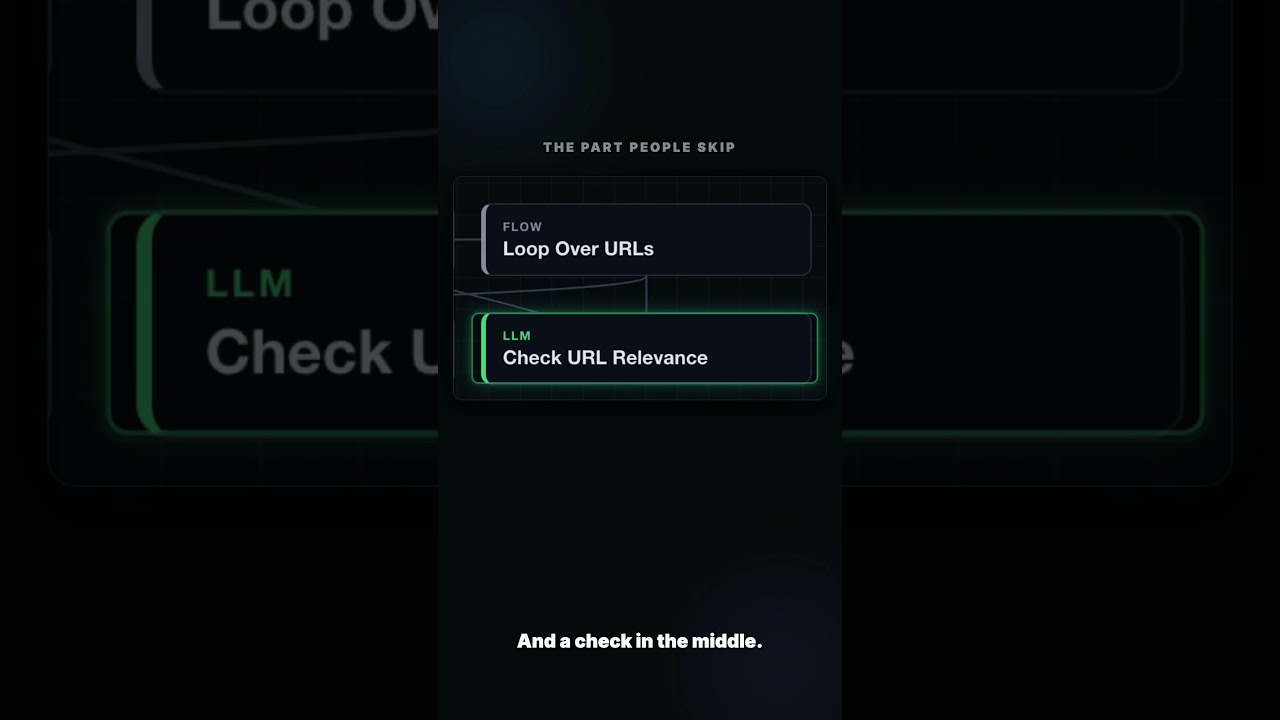 YouTube Reading was never the slow part
 -
 YouTube Why AI misreads the field
 -
 YouTube Hitting the usage limit
 -
 YouTube Small errors, seven steps later
 -
 YouTube The AI pilot did not fail
 -
 YouTube One fact, one home
 -
 YouTube AI changes the job itself
Before booking.
What do I need before the first lesson?
A Claude Pro subscription and a computer. Everything else gets set up together during the session.
Do I need a technical background?
No. Nothing in the lessons requires writing code.
What tools do we actually use?
Claude Code and Visual Studio Code: developer tools used as workplace tools. Nothing gets installed alone. What comes out is plain Ukrainian or English, not code.
What language are the lessons in?
Ukrainian or English, chosen at booking.
How do I pay, and what happens when I click through to Preply?
Preply handles booking and payment, including the card. A personal booking needs no invoice.
What happens after the trial lesson?
Lessons carry on in blocks of four or eight hours, around $52 an hour. Preply shows the current rate at booking.
How long before something actually works?
Most students have a working first workflow by the end of a session. Every session ends with something usable that day.
Can my company pay, or get an invoice?
Two routes: invoiced directly by LLC AFTA, or booked through Upwork when escrow and business verification are needed. Team training goes the same way.
What if it turns out not to be a fit?
The trial is thirty minutes, and that is what it is for. Nothing beyond it is booked in advance.
One trial lesson, thirty minutes, booked on Preply.
Book the trial lesson on PreplyThere is a company version: an AI transformation lead embedded with a team, or a fixed-length sprint through the arc. Company offer